
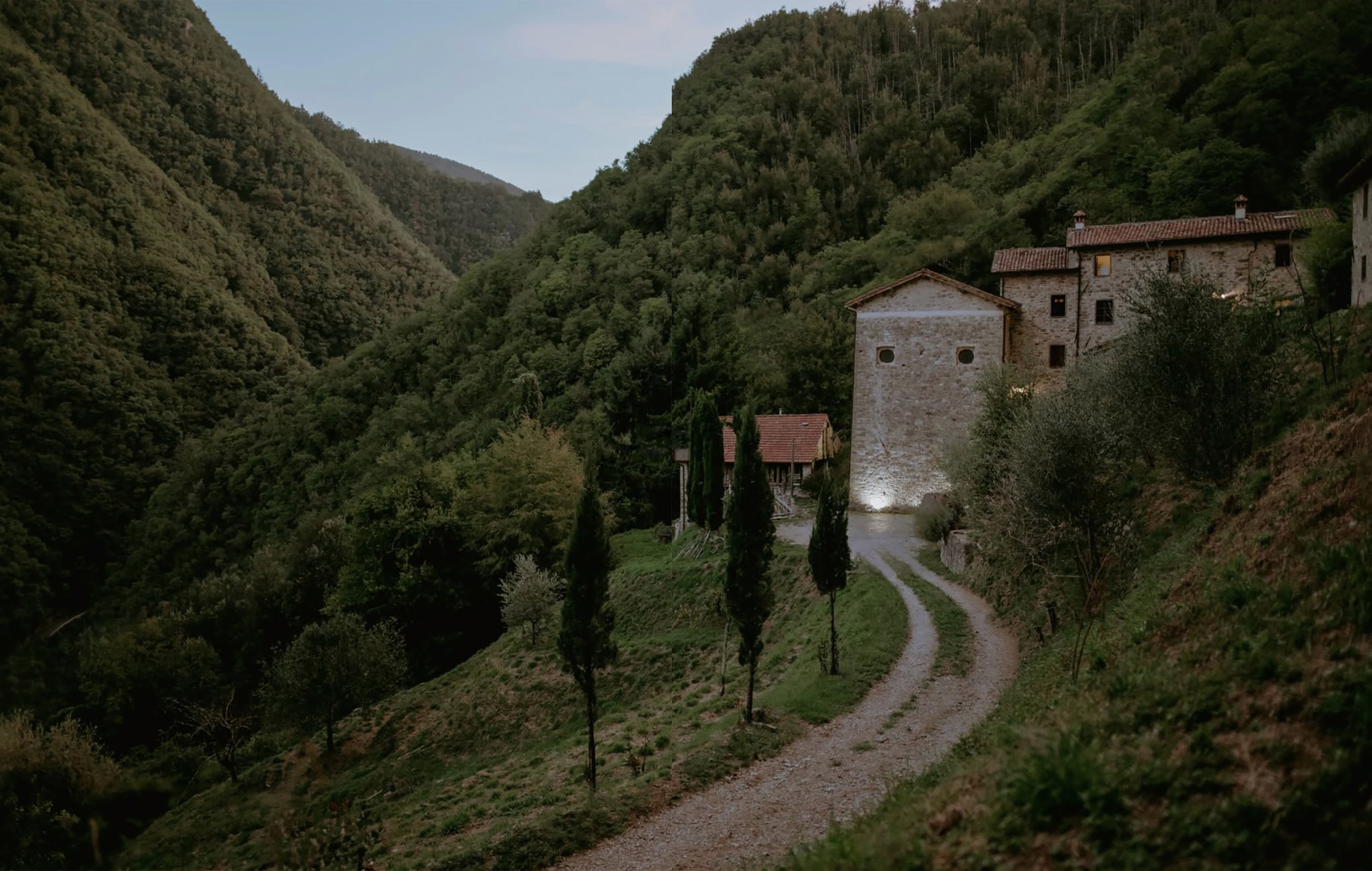
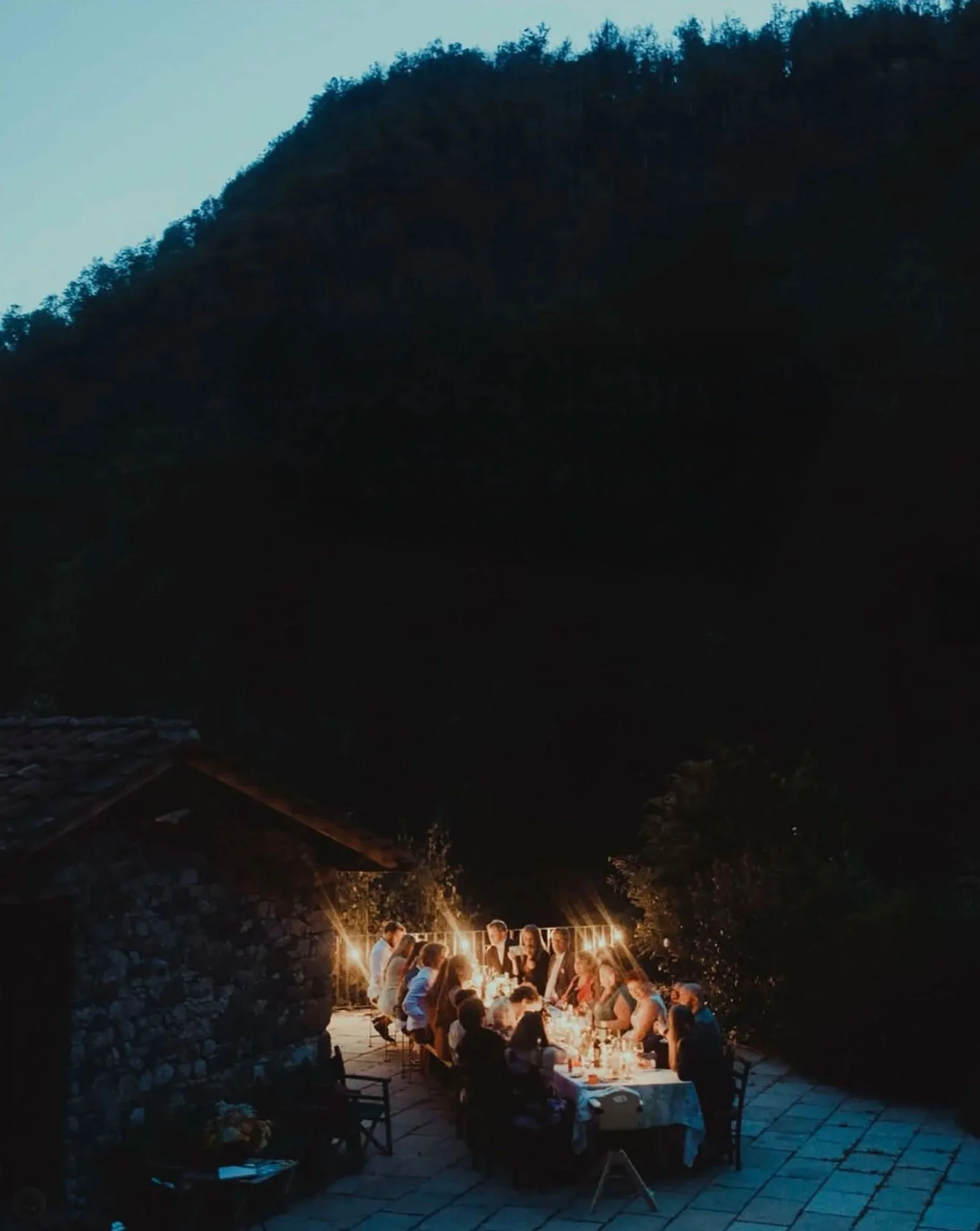
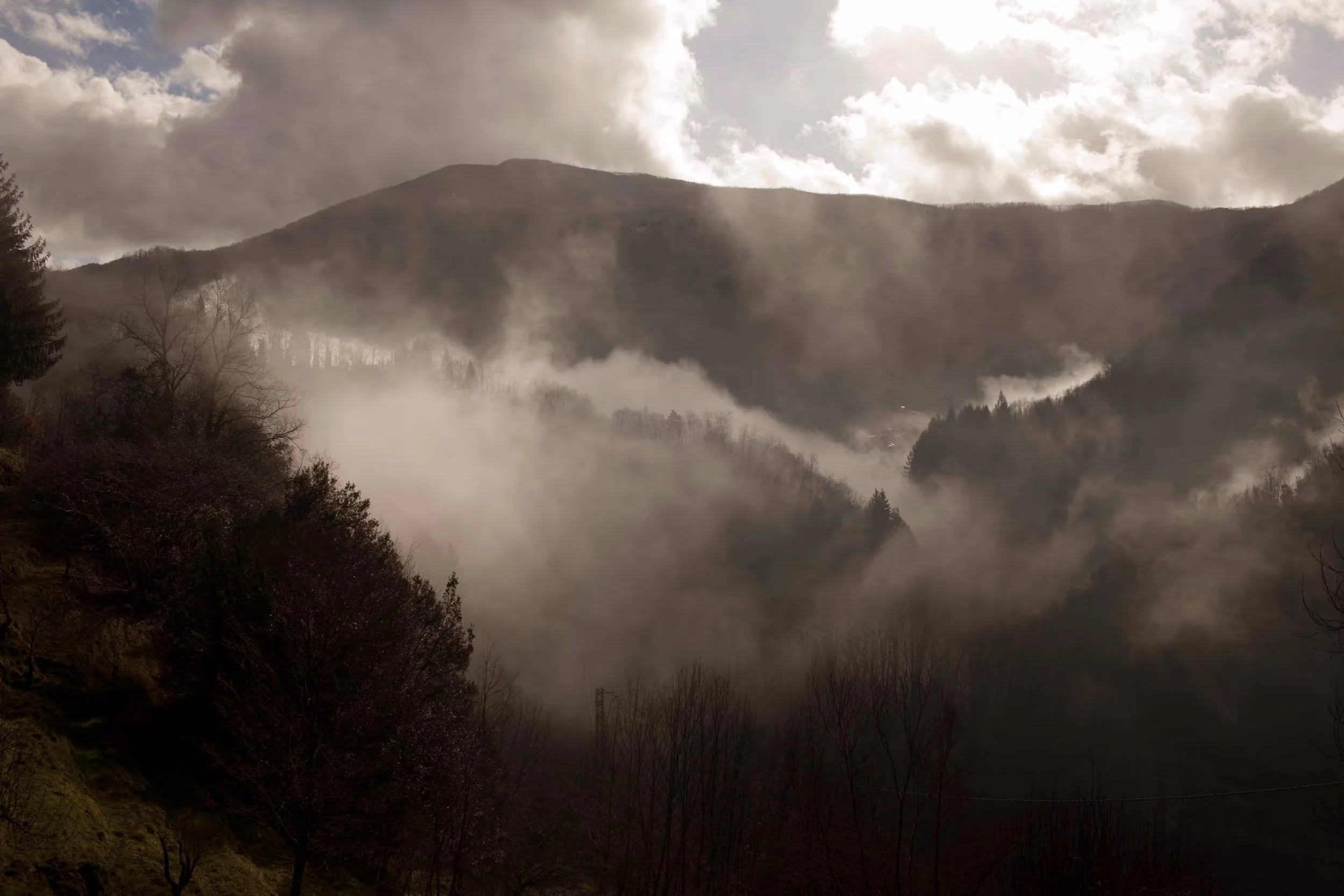
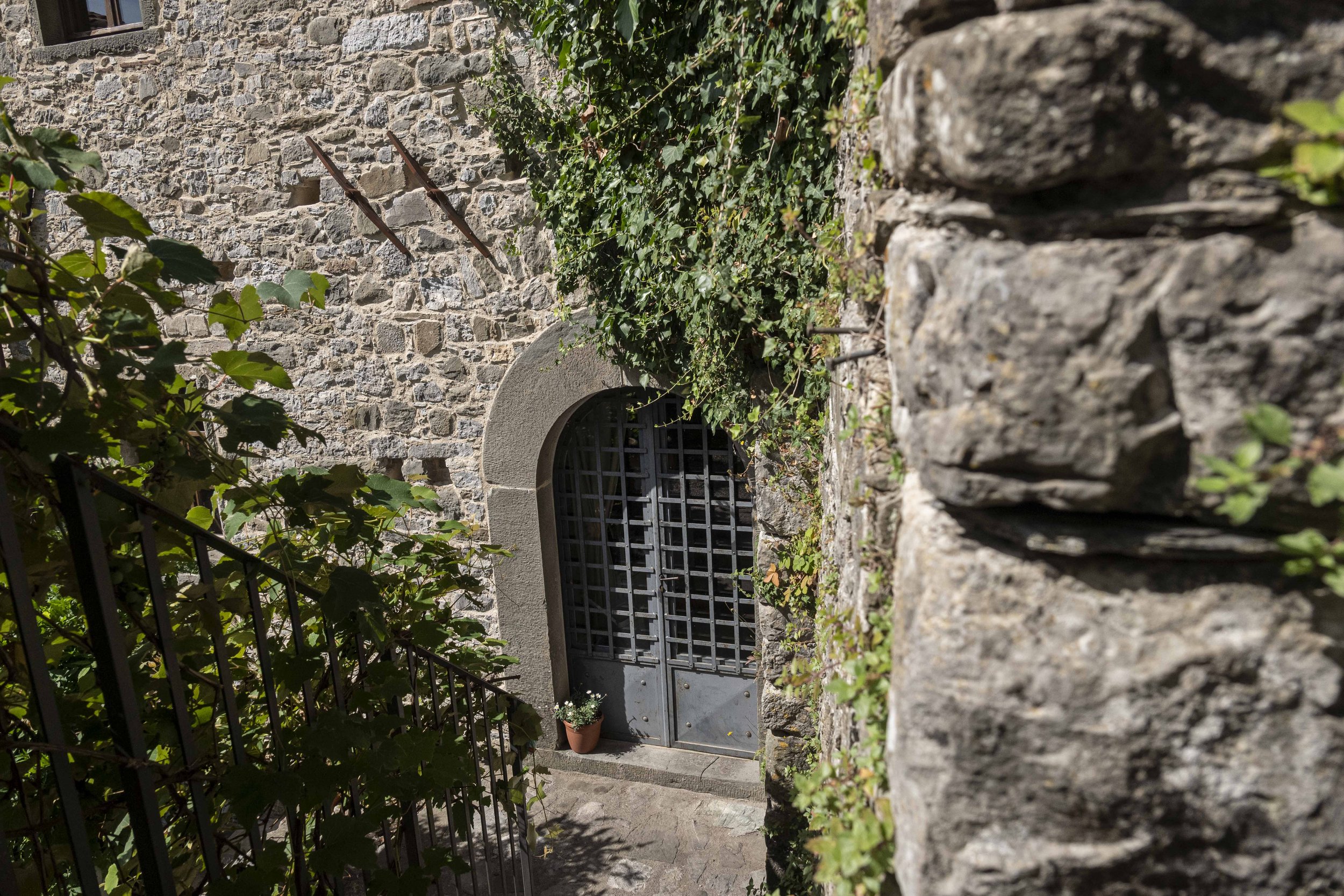
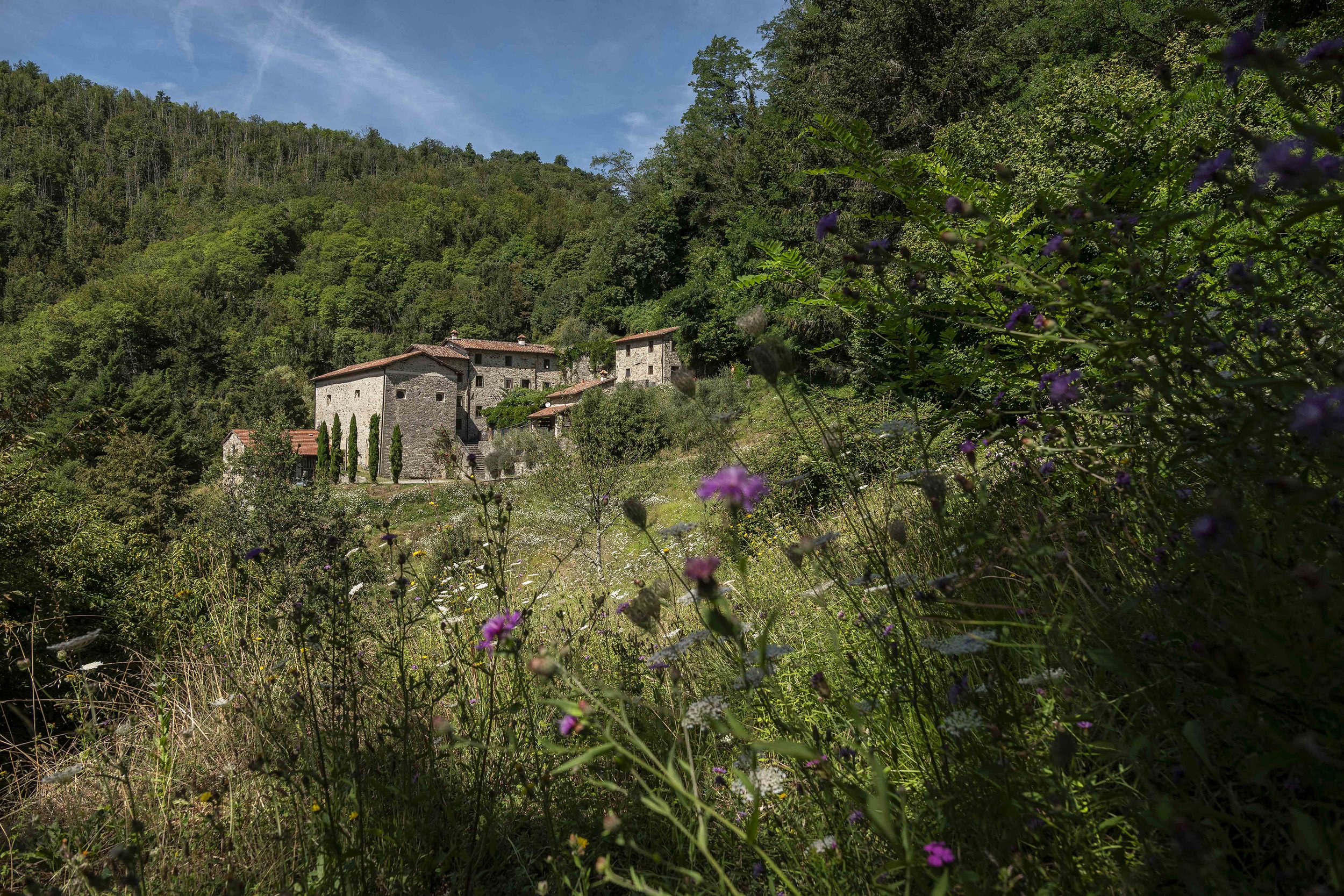
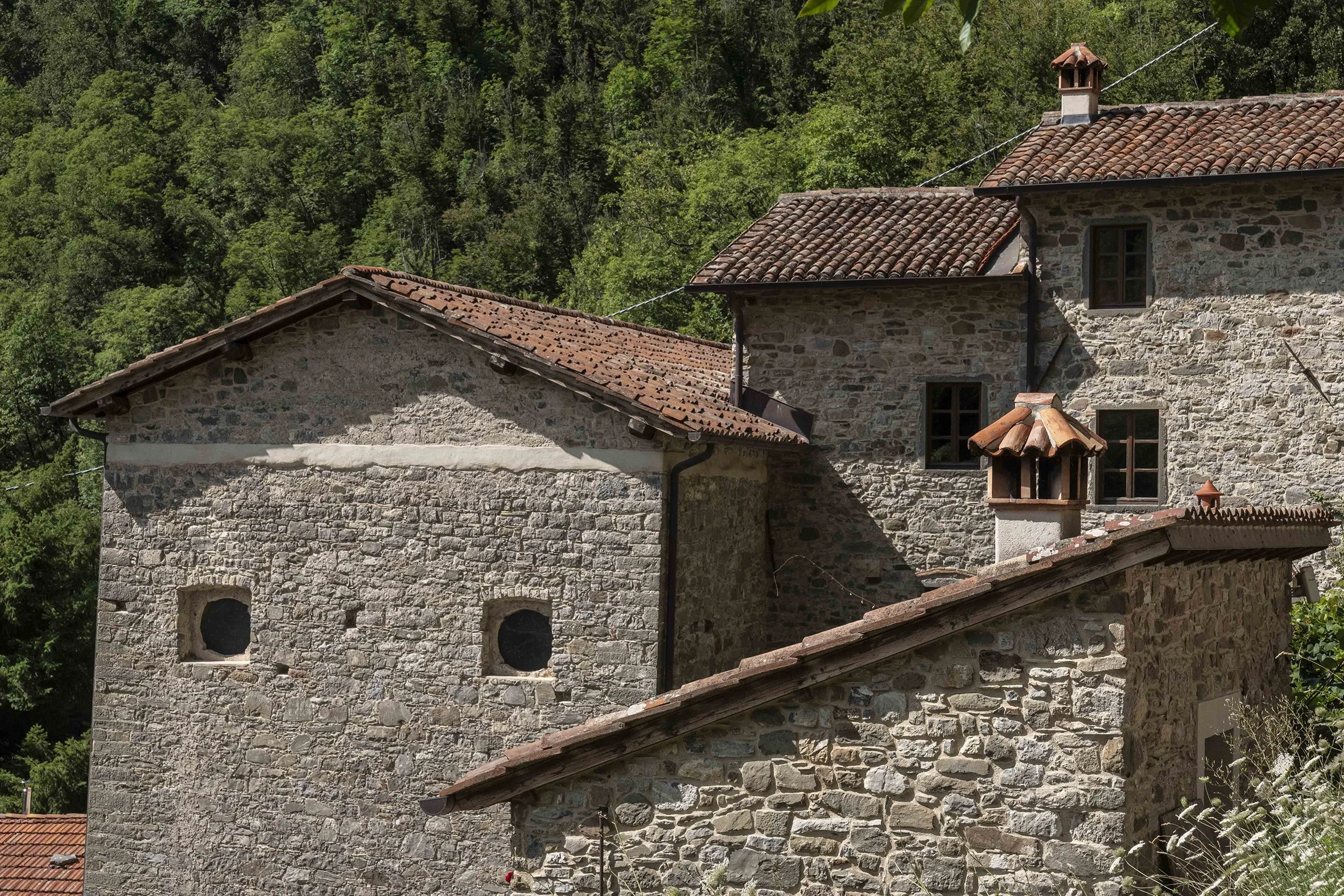
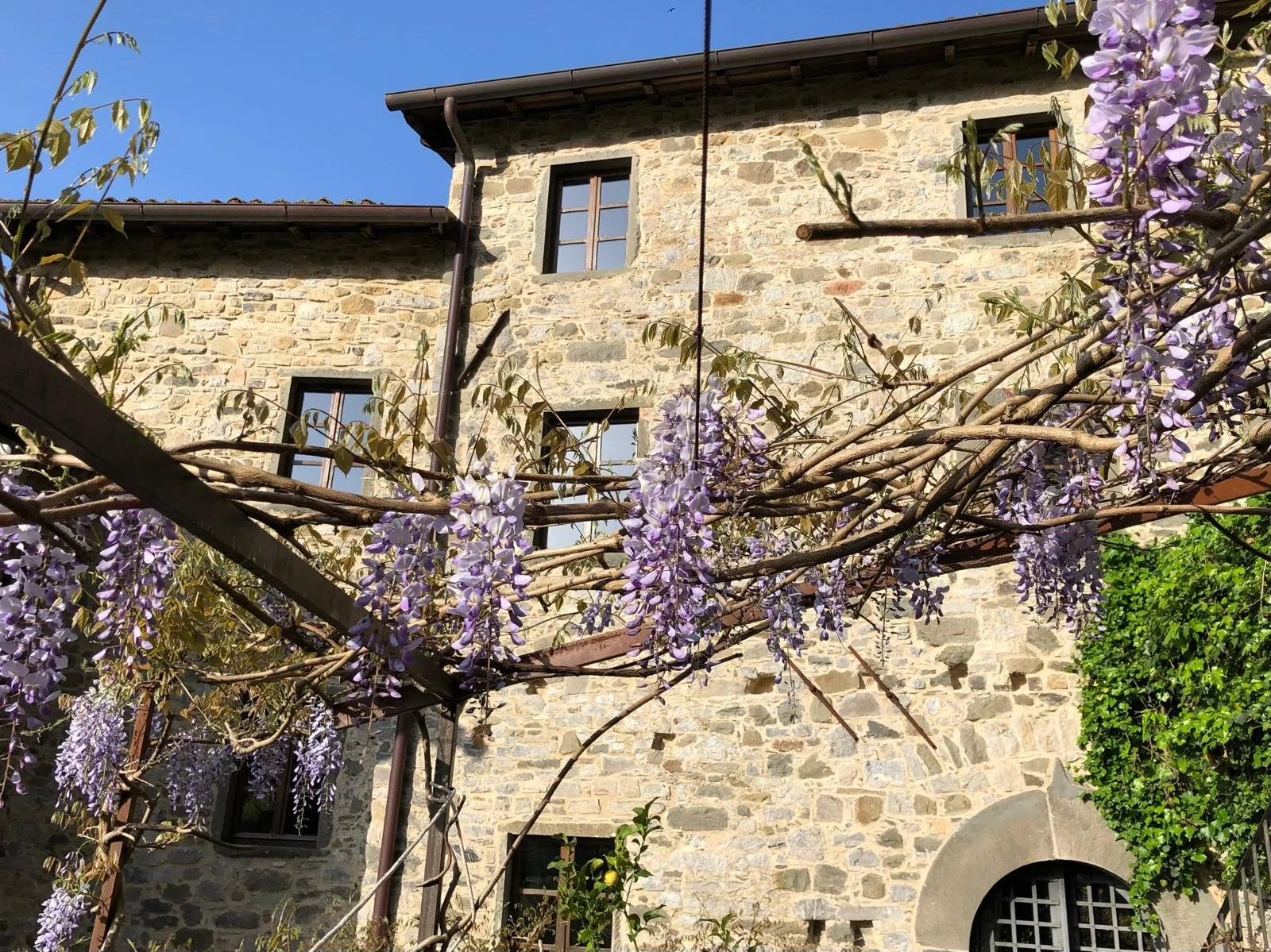
Welcome to I Romiti, a converted 13th-century Augustinian monastery situated within lush chestnut forest in Tuscany’s mountainous northern area, the Garfagnana. A place to exploit a range of outdoor activities, find creative inspiration and well-being in a valley of great natural beauty. I Romiti has been designed to meet the needs of family gatherings, groups of friends coming together and public and private events. Make it your home for a week, host a reunion or organise a range of cultural and outdoor activities. From hiking and canyoning, yoga and Tai chi retreats, pottery, glass and painting workshops and many more, we can help you have an unforgettable experience.
I Romiti is a Not-for-profit and your stay will support the ongoing work to preserve and restore the site and grounds.
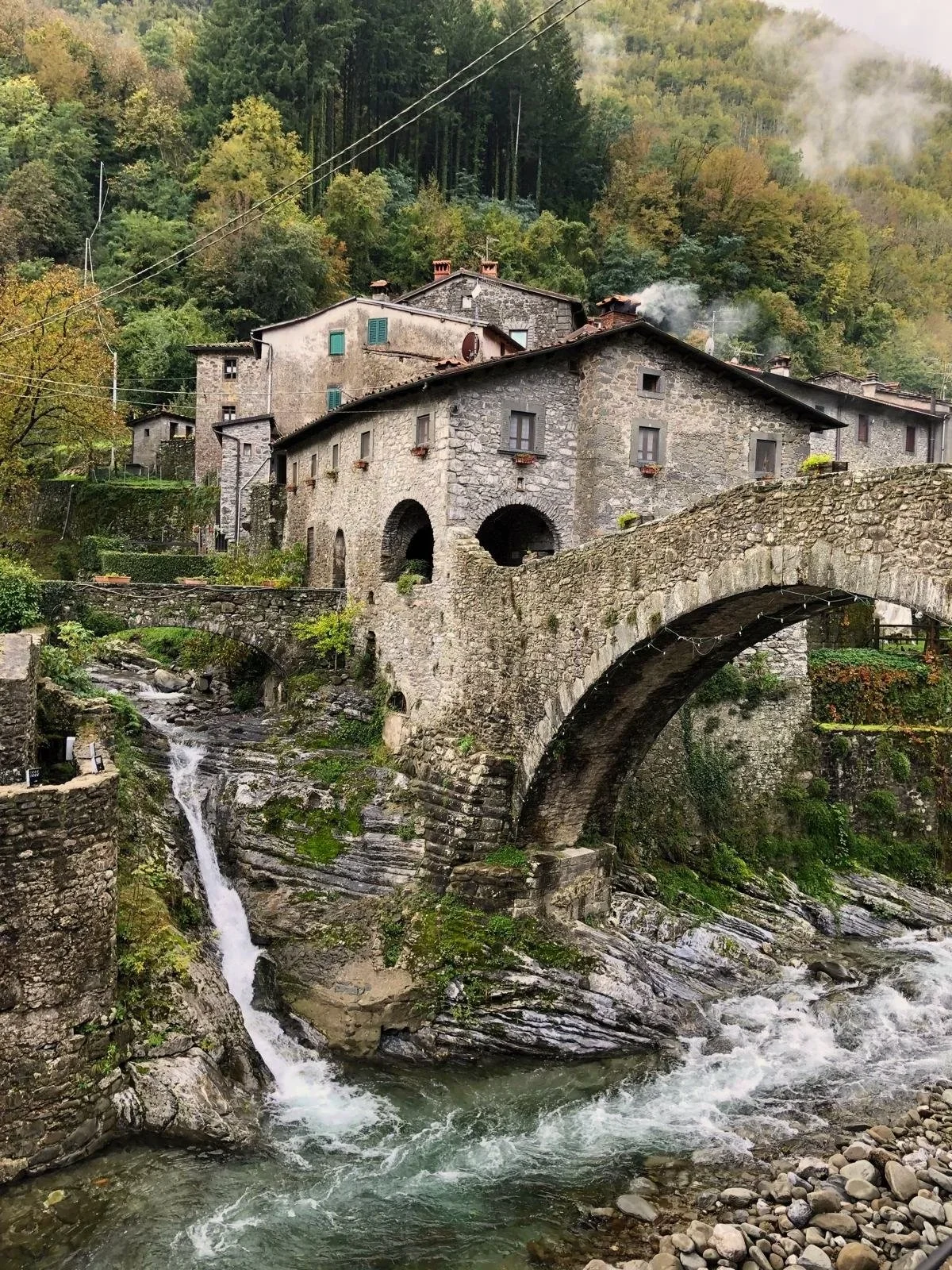
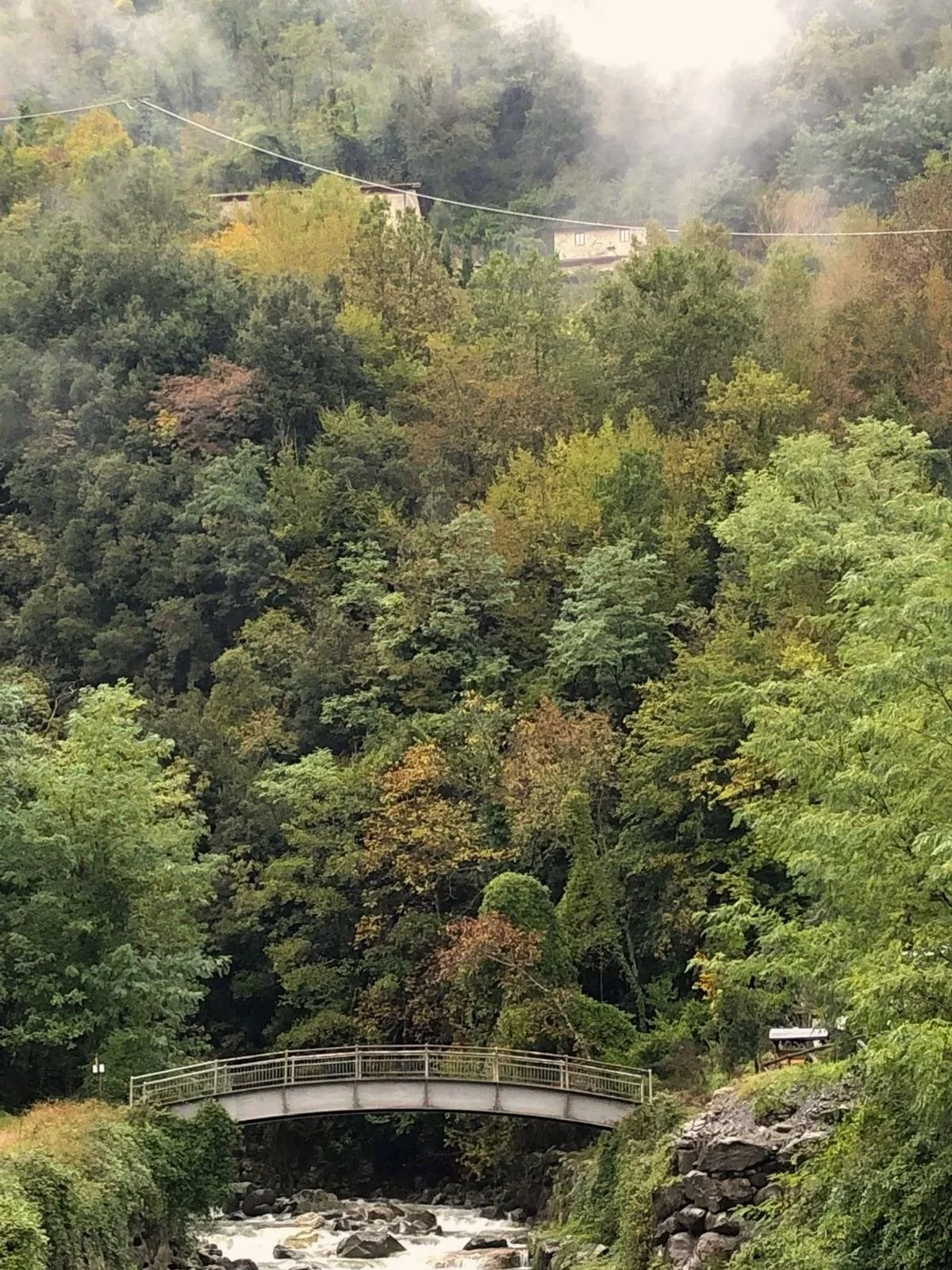
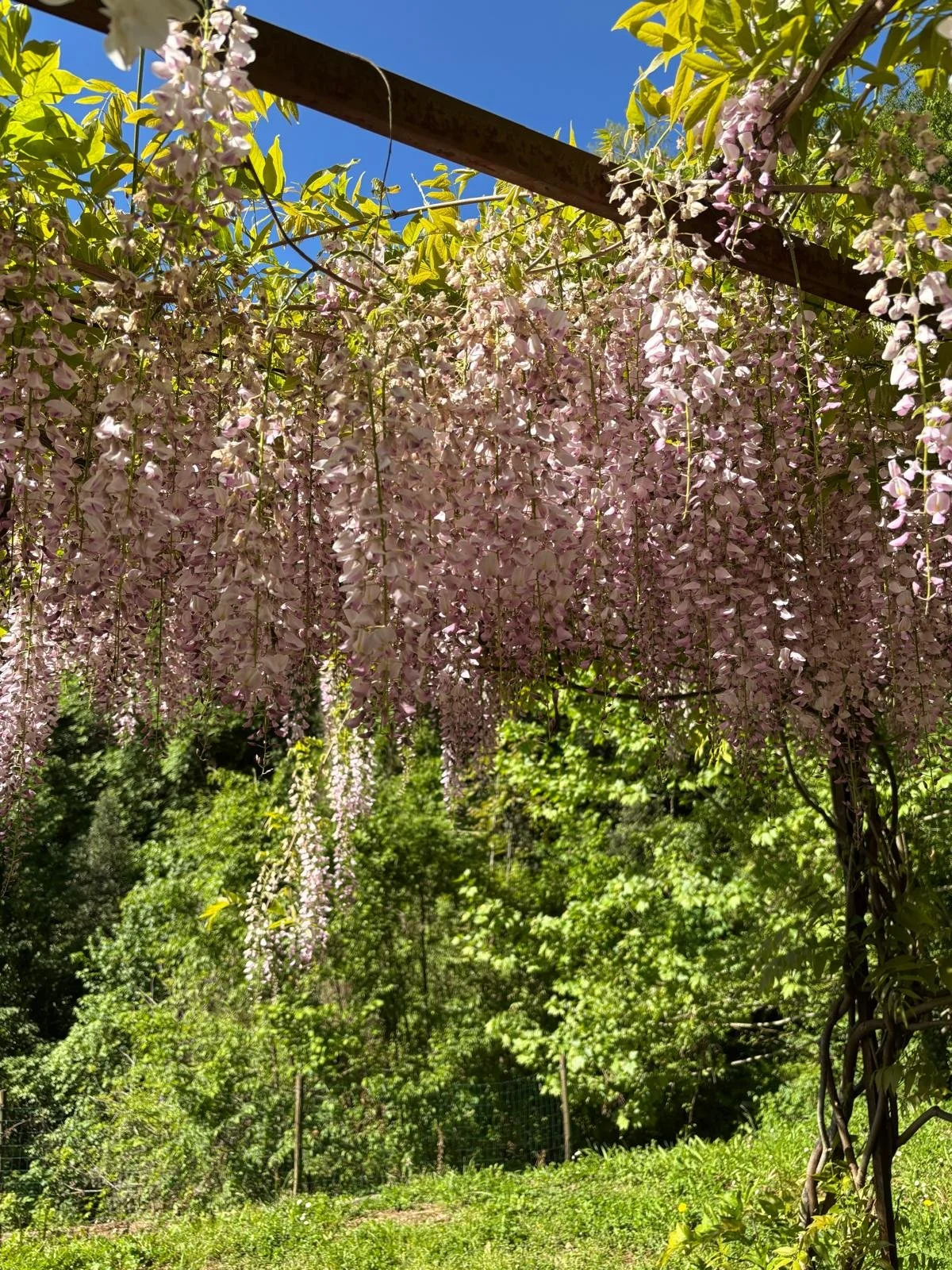
HISTORY
I Romiti holds a very special place in the local community. Legend has it that around 1178 one Galgano Guidotti, a charismatic young warrior knight renounced his life of violence, thrust his sword into a stone and forged a small community of hermits in Montesiepi, southern Tuscany. There he lived simply, gathering followers and performing other miracles until his early death in 1181.
Over time the community splintered and a small group travelled north, stopping in a fertile valley within a forbidding mountainous landscape where they experienced a vision and established a new Hermitage. Gifted the land by the neighbouring settlement of Trassilico in 1214, a church was raised and soon after l’Eremo di San Galgano received its first mention in historical archives. It is on this site that the current church stands and thus our story begins.
The monks, who were to join with other informal communities to form the Order of Tuscan Hermits and ultimately the Order of St Augustine, built an imposing monastery and hosted significant gatherings or Chapters throughout the 1200s. Commercially-minded and well educated, they developed an iron forging industry in the valley below and brought prosperity to the area. Harsh times followed, the population of Europe decimated by two outbreaks of Plague. Communities like Romiti escaped the worst but were often summoned to cities to replace those who had died. The remaining monks struggled to maintain the site and in 1461 the last three left for the bright lights off Lucca.
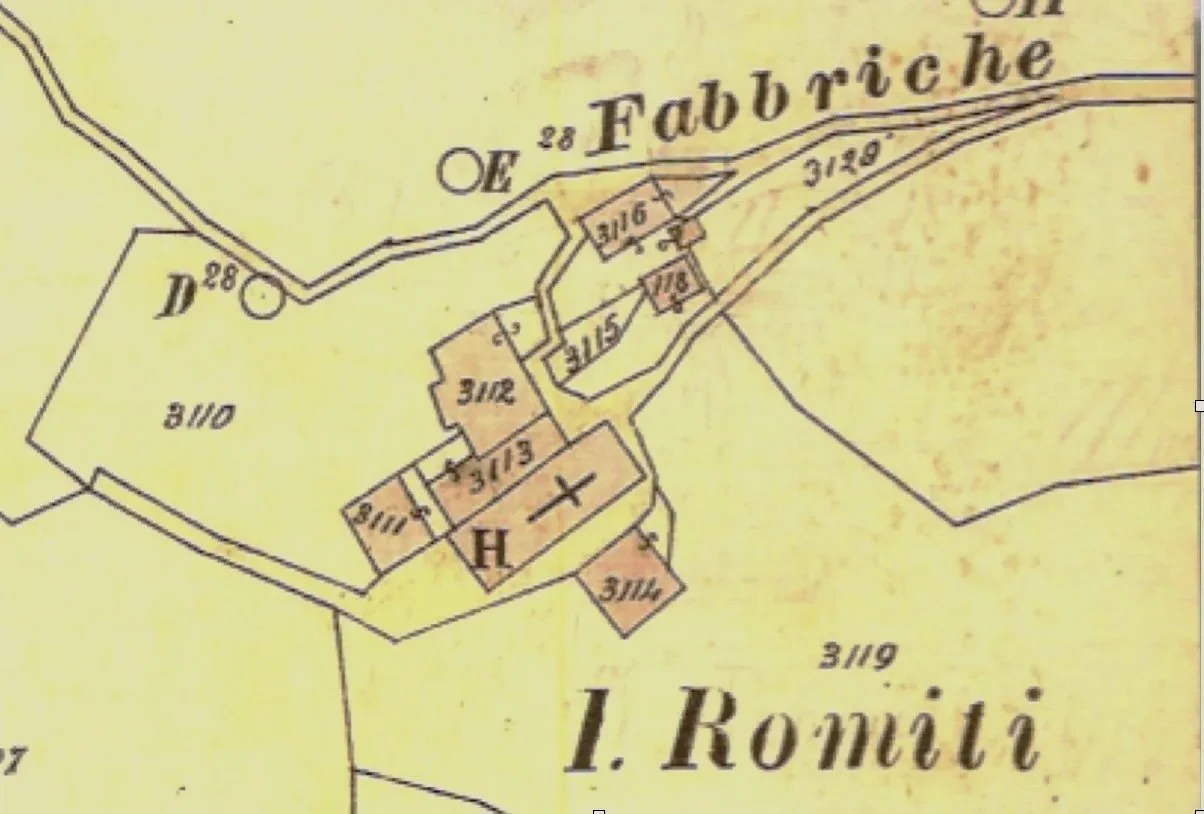
The days of Romiti as an active monastery drew to a close and in 1550 the site was sold by the Order to a local family. Under a succession of private owners the site was enlarged to create an agricultural estate cultivating fruit, nuts and vines on the south facing terraces. The church was extended to provided a sizeable family chapel. As the 20th century dawned,Italian laws of succession had resulted in divisions in the ownership of the church, land and buildings.
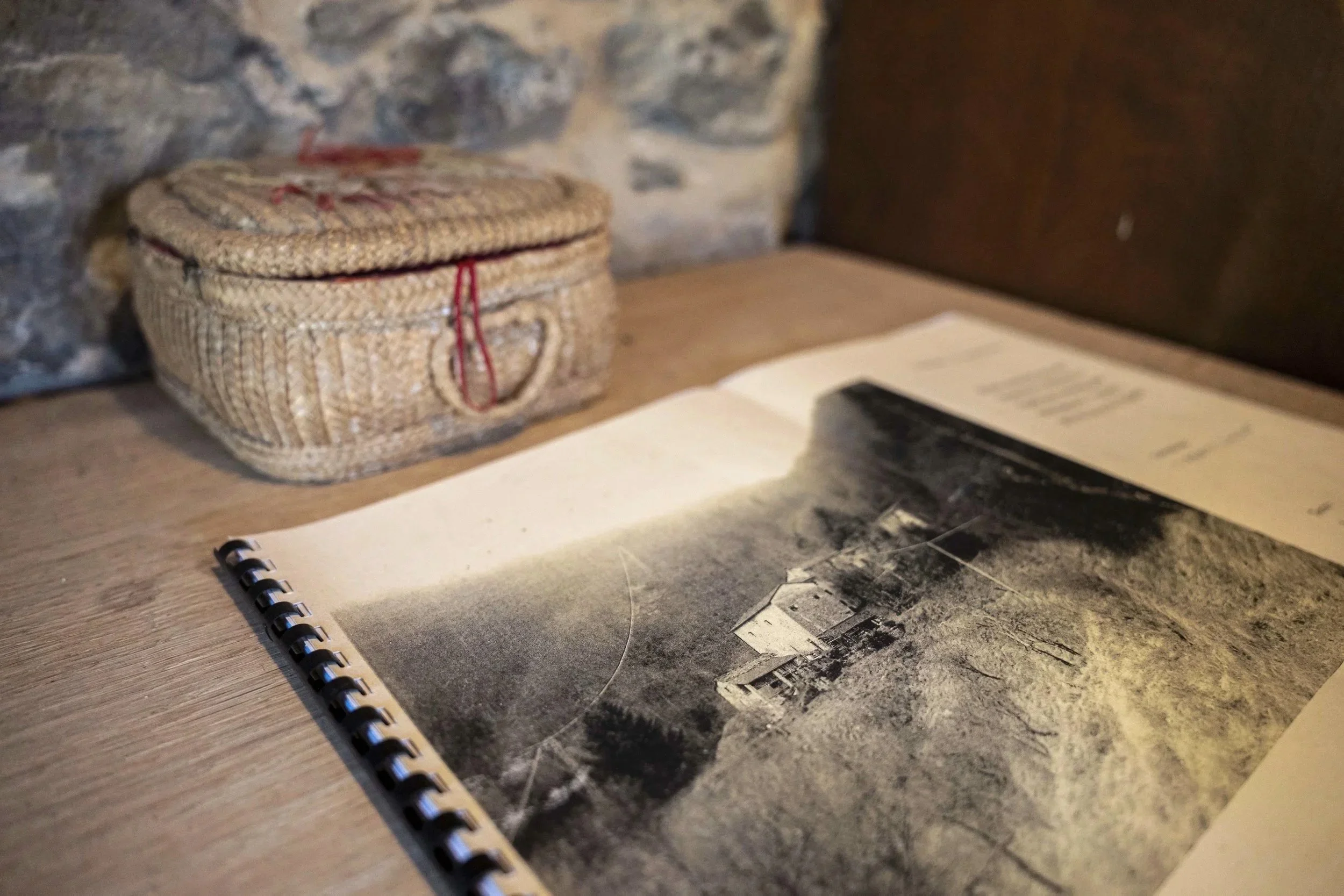
Families occupied the houses, livestock were kept in the crumbling deconsecrated church. Then with war and depopulation in the area, they were witness to the final decline and the eventual abandonment of the once thriving hamlet.
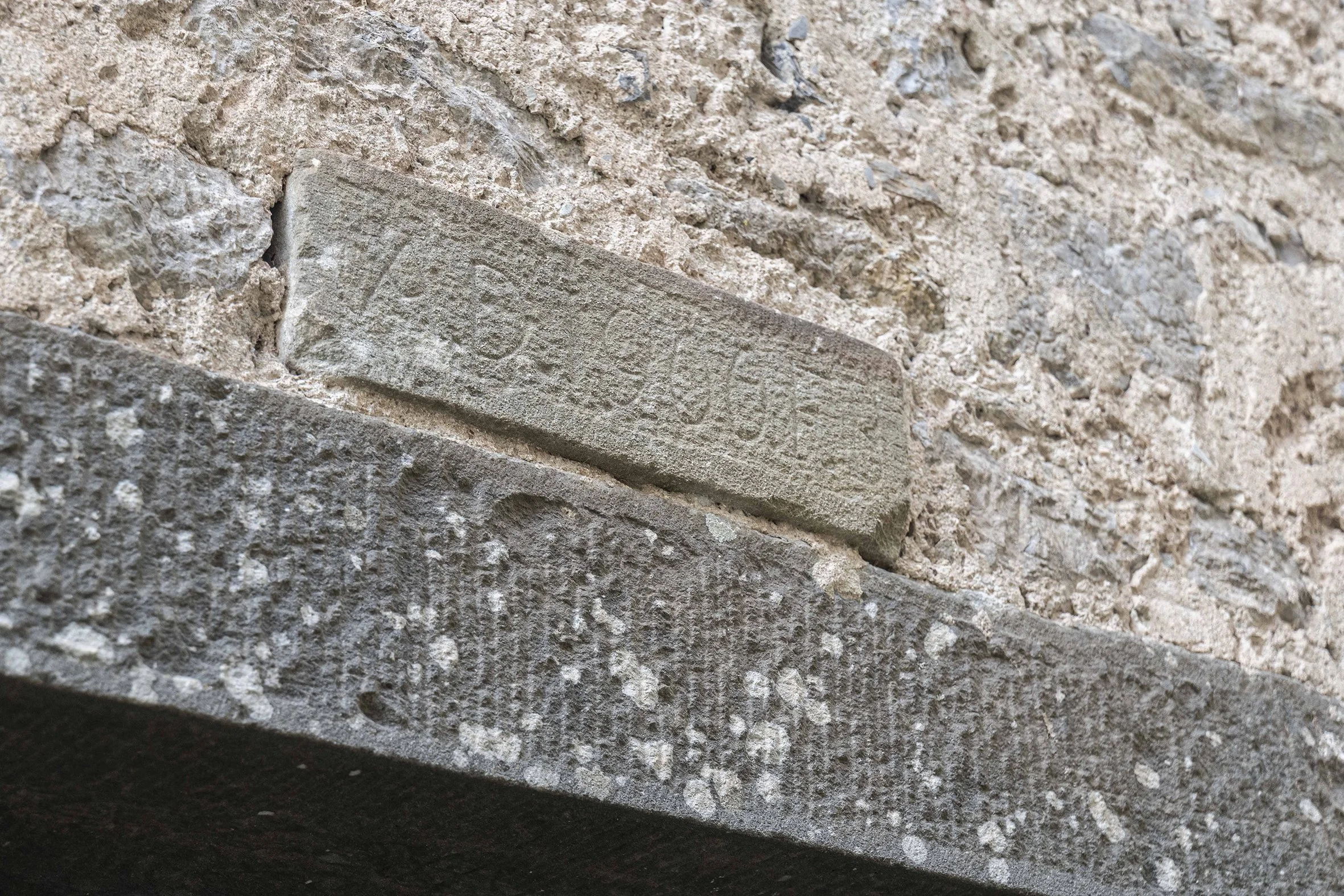
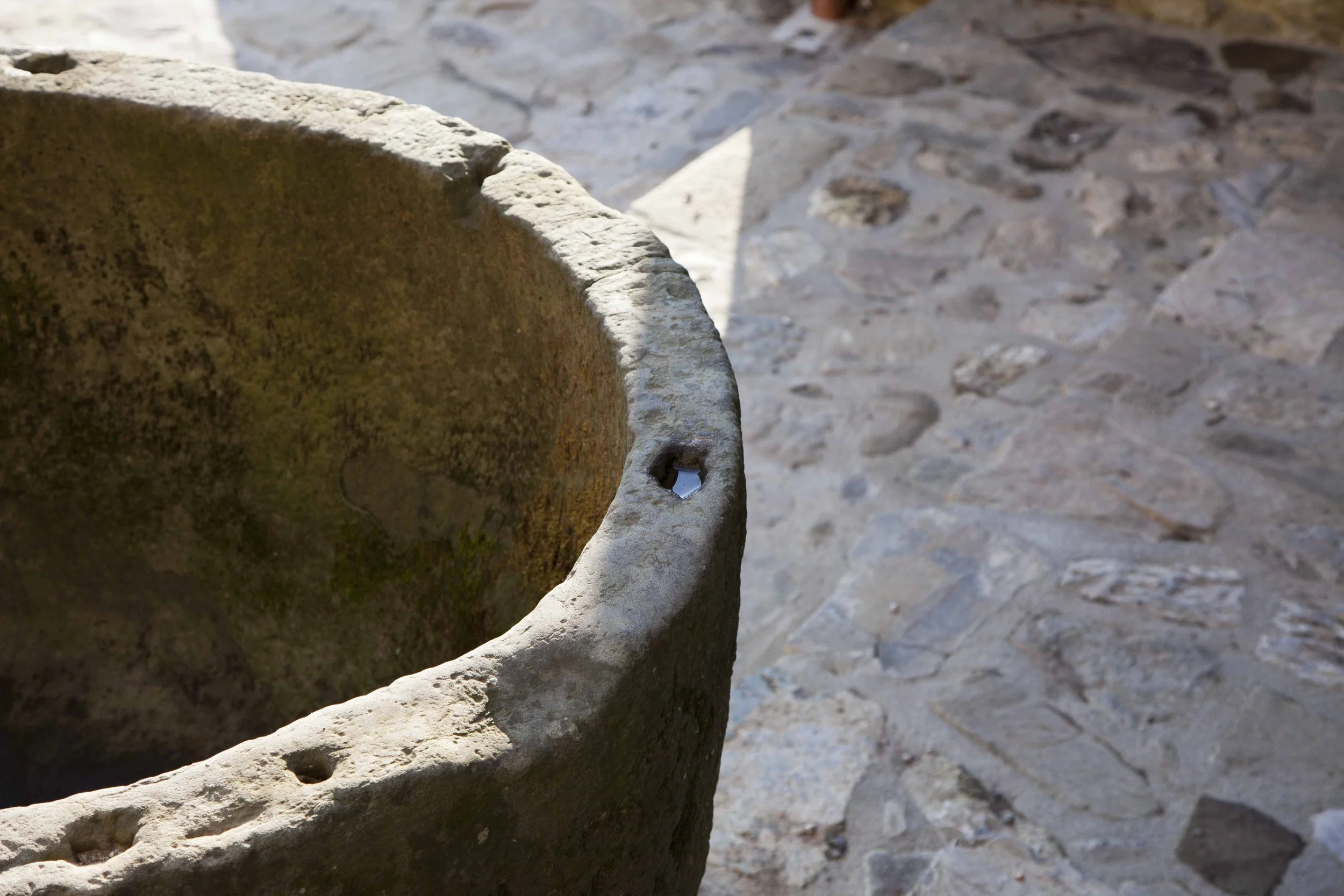
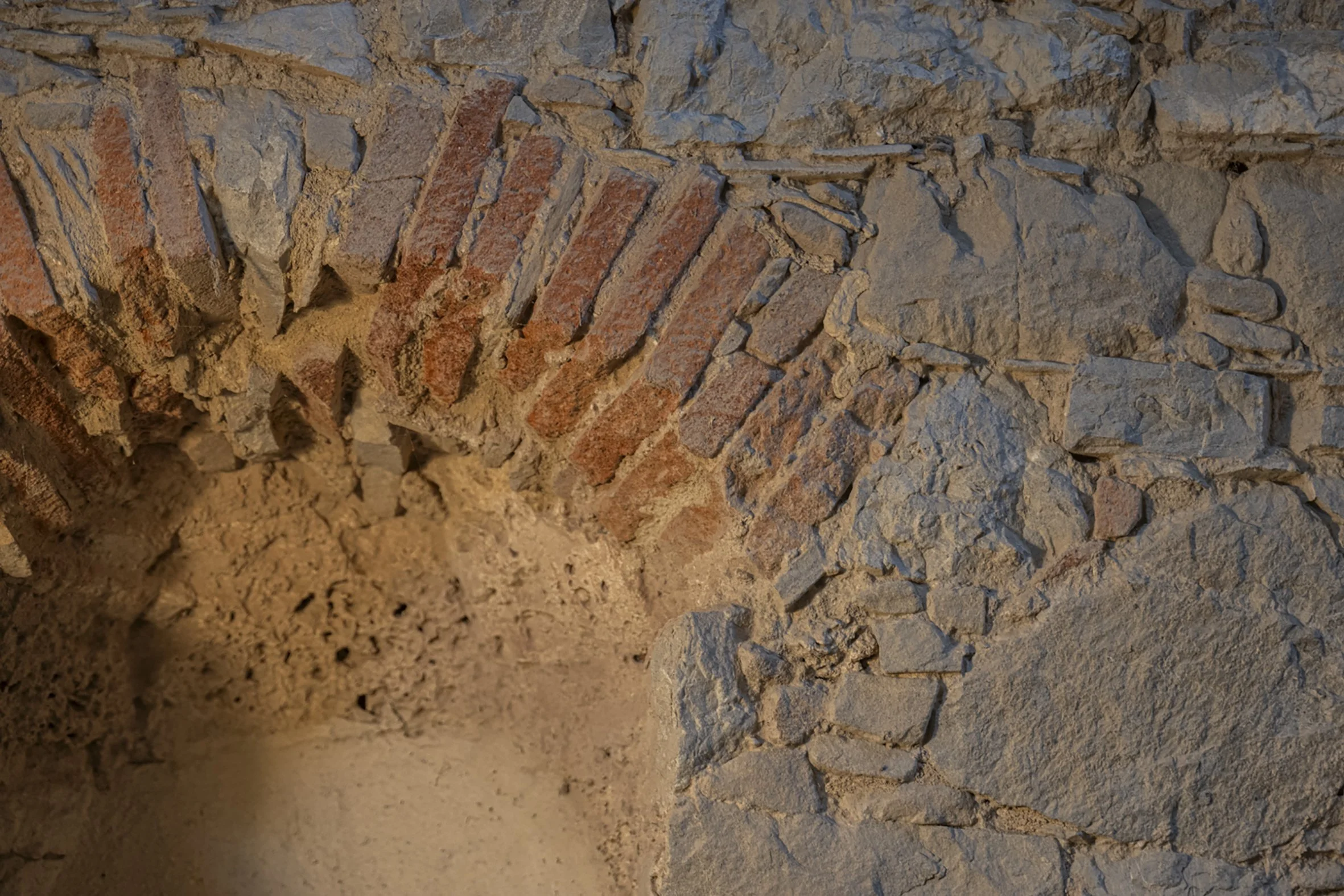
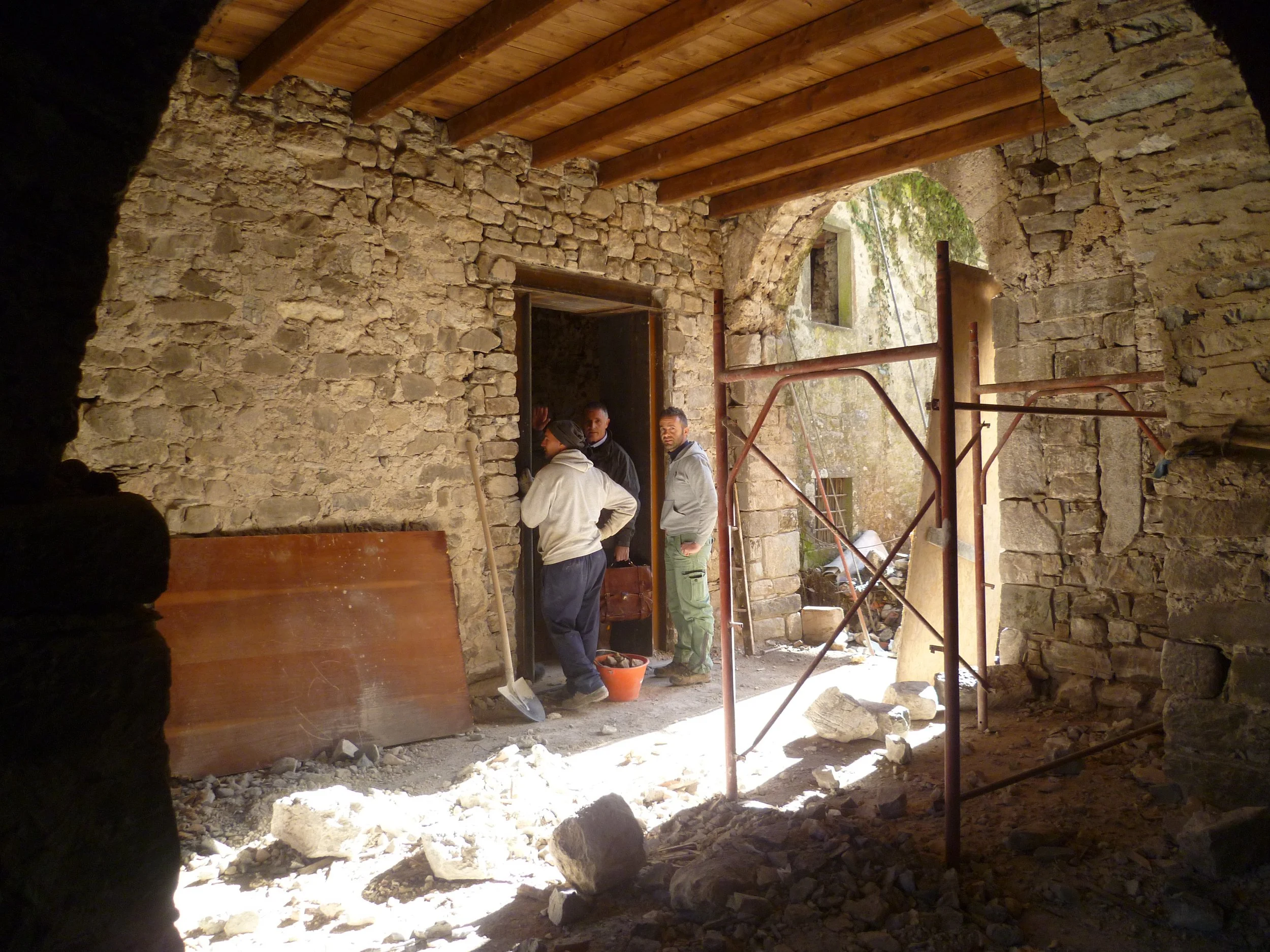
OUR PART
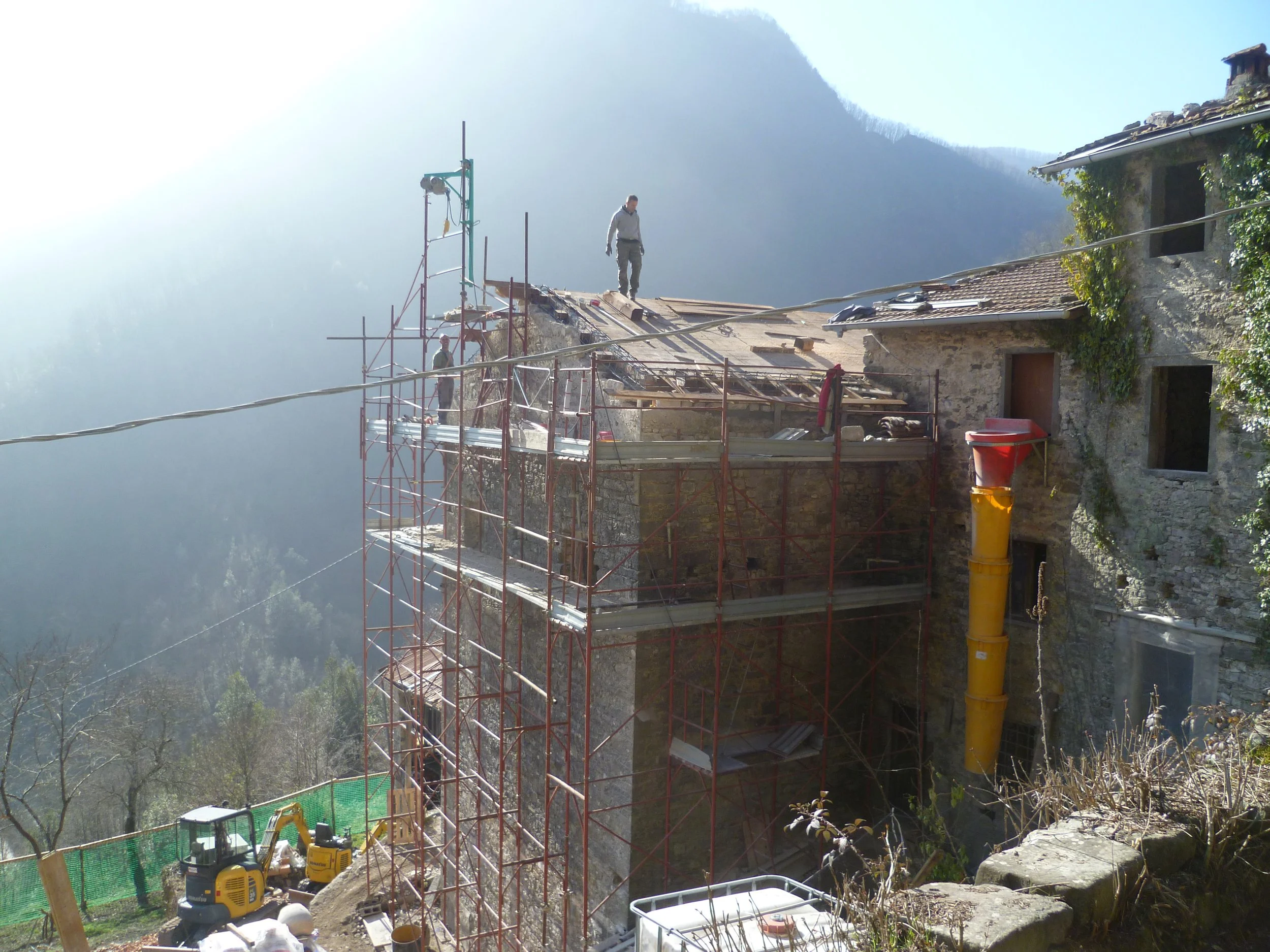
We are Steven Newell and Lindsay Henderson and in 2007 we took over the ownership and management of the current site. In the course of the three year restoration project we tried to honour its story, using locally sourced materials and employing skilled craftsmen and traditional techniques. Sustainability has been at the heart of the approach: the mountain spring from which the monks drew their water and irrigated their crops still provides the water supply, and state-of-the-art energy and waste management systems ensure minimal impact on the environment. All wood for heating comes from the surrounding mixed woodland. Against this historic backdrop, our part in the story of Romiti seems insignificant but the most amazing journey to be part of, preserving this site for future generations.